
Performance, Fame, and Exclusion
The Man Who LaughsThe troupe’s success transforms a marginal livelihood into a public sensation without overcoming the stigma attached to performers.
increasing Bearing strength in each event
 decreasing
Bearing strength in each eventdecreasingA Drama Conceived
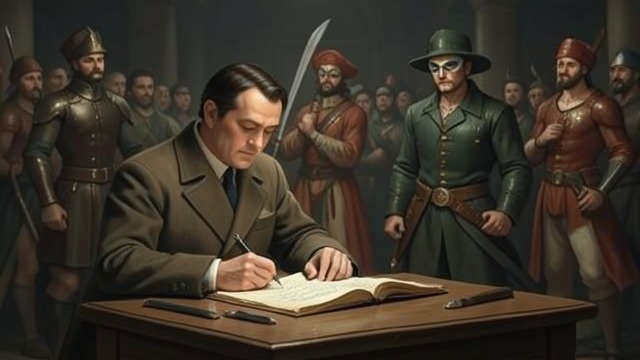
A Drama Conceived
Ursus writes for the troupe
Ursus creates Chaos Vanquished to combine music, shadow, and action.
Gwynplaine and Dea take central roles.
The play gives their private bond a public form.
A work of mixed intention
Ursus wants a literary triumph as well as income.
The crowd’s response will be driven by Gwynplaine’s face.
Art and commerce become entangled before the curtain rises.
The Laughing Man Appears
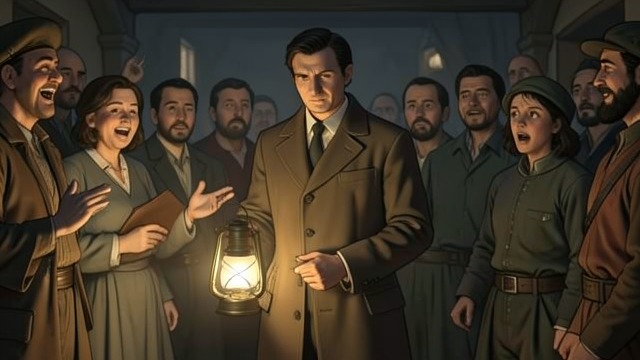
The Laughing Man Appears
The reveal
The drama ends with light falling on Gwynplaine’s face.
The audience erupts in laughter at the unexpected sight.
The effect overwhelms Ursus’s intended meaning.
Fame through difference
The performance makes Gwynplaine known across fairs and roads.
Its success improves the troupe’s living conditions.
His public name becomes more famous than his personal one.
Success Displaces Rivals
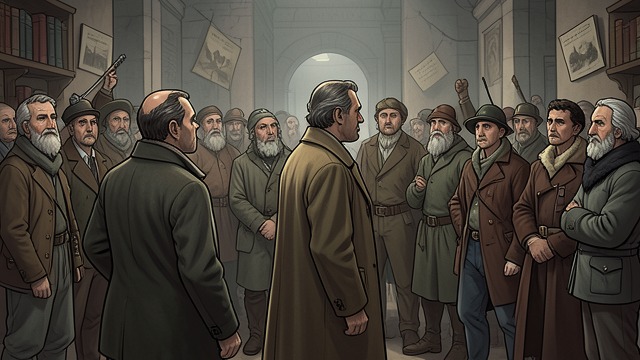
Success Displaces Rivals
A crowd redirected
Gwynplaine draws customers away from other entertainers.
The rival booths lose income and resent his popularity.
The Green Box’s success changes the economy of the fairground.
Envy turns official
Performers join clergy in complaining to authorities.
Their arguments invoke religion, medicine, and public order.
The theatre becomes a target because it has succeeded.
The Aristocrats Arrive
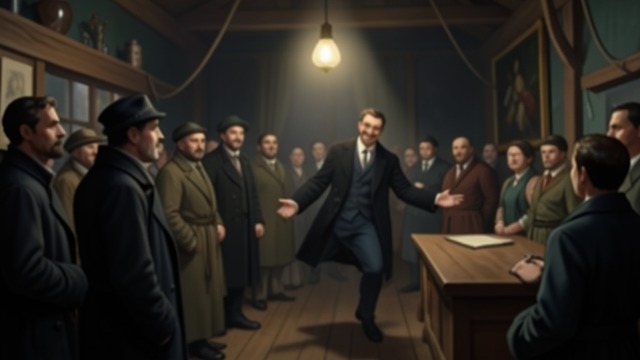
The Aristocrats Arrive
A wider audience
The Laughing Man’s reputation draws people beyond the local crowd.
Disguised gentlemen attend the low-priced performance.
Fame begins to cross class boundaries without removing them.
The duchess watches
Josiana attends in a conspicuous display of wealth.
She sees Gwynplaine as both performer and object of desire.
The spectacle becomes a gateway from public entertainment to private danger.
The Performer Unhoused
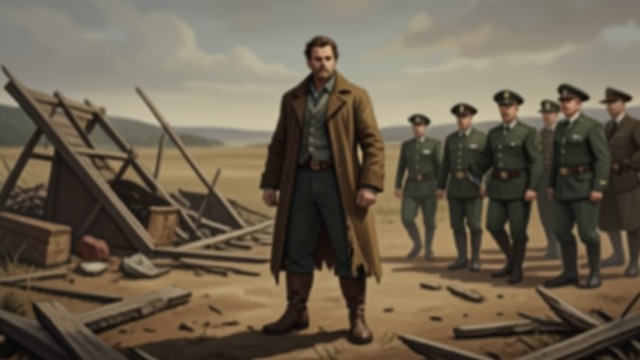
The Performer Unhoused
The stage disappears
The authorities clear Tarrinzeau Field and force the troupe away.
The Green Box no longer stands where Gwynplaine expects to find it.
His former livelihood and social world vanish together.
Fame cannot shelter him
The performer once drew crowds but cannot recover his family.
Public recognition offers no protection from state power.
The story separates celebrity from human security.
During the troupe’s early years with the children
During the first successful performances
After the Green Box reaches Southwark
During the troupe’s later London run
After the House of Lords sitting in 1705
